How to Stay Focused Working From Home: A Deep Work Guide
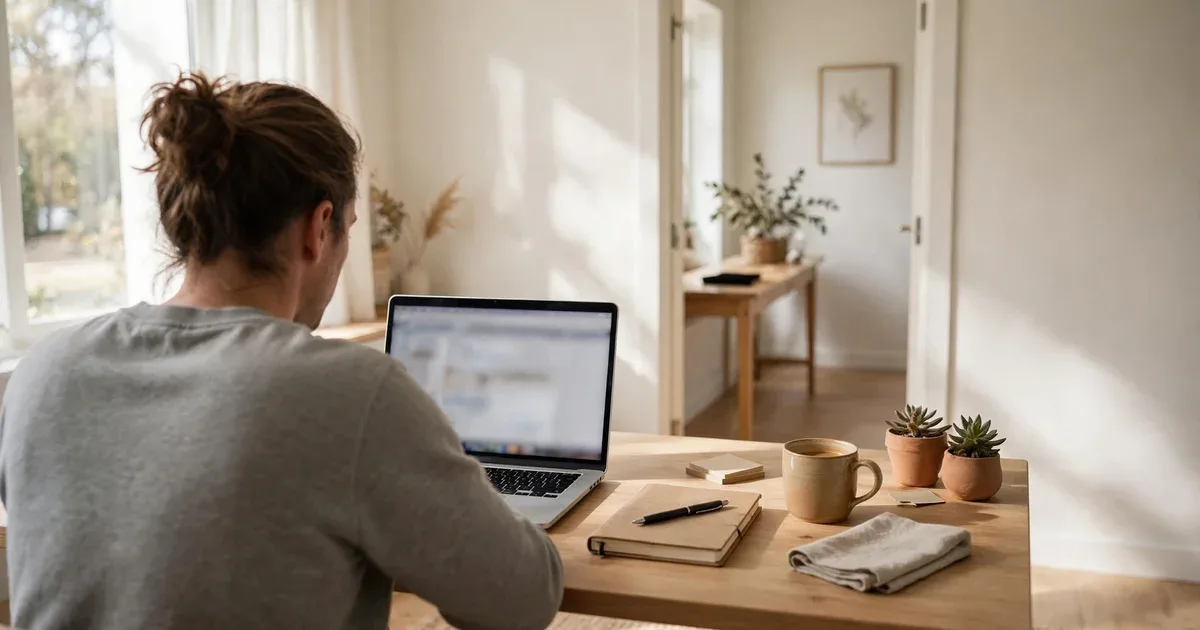
Working from home was supposed to be the focus dream. No commute, no open office noise, no one hovering over your desk. Instead, for a lot of us, it became the distraction Olympics. The laundry is right there. The fridge is also right there, humming, full of snacks. The couch is right there too. Judging your afternoon. So if your workday is a blur of half finished stuff, you are not lazy. You just do not have a system built for this environment. Here is one that works.
Why working from home destroys focus
An office gives you focus for free. The commute was a transition ritual. It told your brain work mode had started. Your desk was a work only zone. You did not nap there. Well. Mostly. Colleagues created gentle social pressure. You looked busy, and looking busy somehow turned into being busy. At home, all of that is gone, and your poor brain does the focusing work alone. (It did not sign up for this.) That is exhausting. Then add the phone buzzing, the doorbell mid call, the neighbor with the power tools, and a bed twelve seconds away. Honestly? Impressive that anyone gets anything done. The fix is not more willpower. Willpower is a battery and yours is being drained by noon. The fix is a routine that does the deciding for you.
4 steps to a home focus routine that sticks
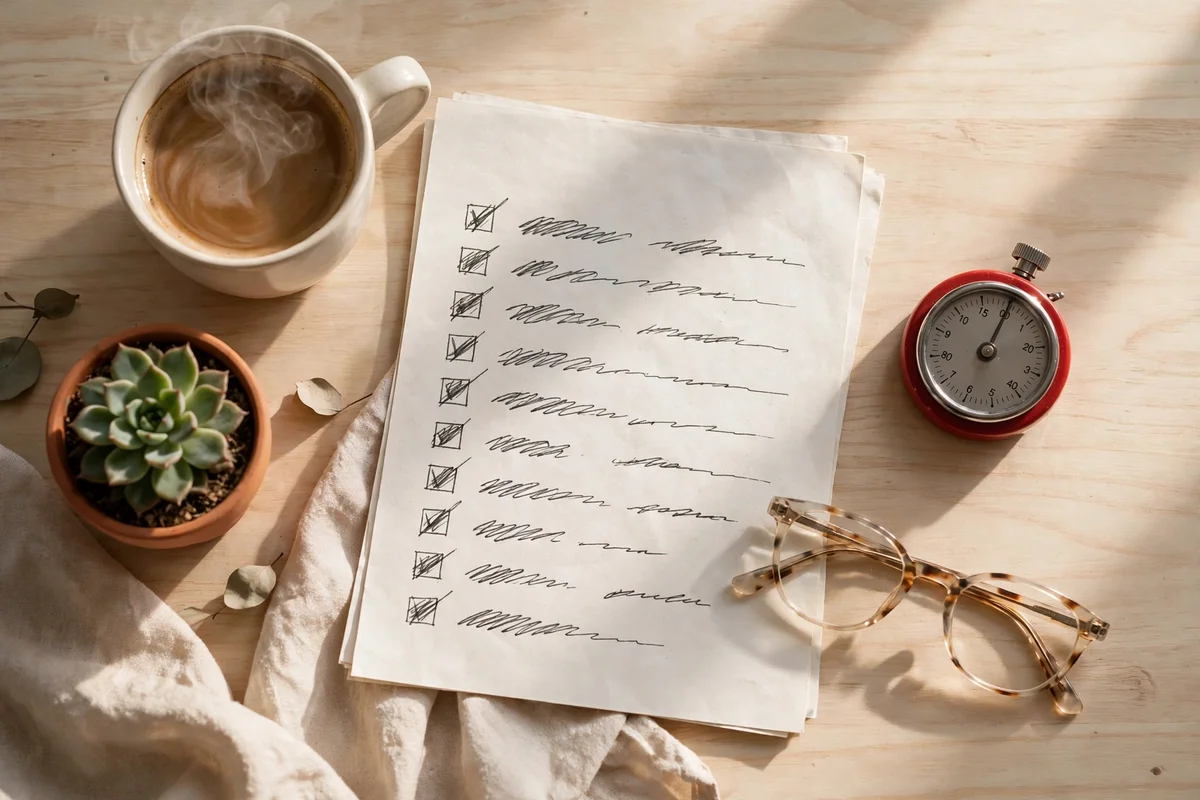
First up: a start ritual. Pick one and guard it. Coffee. Shower. Actual pants, or at least a real shirt. Same chair, same corner, every day. Sounds silly, I know. But that sequence tells your brain work mode has started. The commute, minus traffic. Next: pick your three. Three things that matter today. Not twelve. Write them down before a single tab opens. Tabs are where plans go to die. Third: do your first focus block before looking at messages. Your inbox can wait. It is good at that. Those first thirty minutes decide a lot, honestly. Let the inbox have that first half hour and it will eat the rest of the day too. Messages wait. And here is the thing nobody plans: breaks. I mean actually schedule them, like appointments you would not skip. A break is not scrolling on the couch. We will get to that.
Deep work at home: time blocking that survives the doorbell
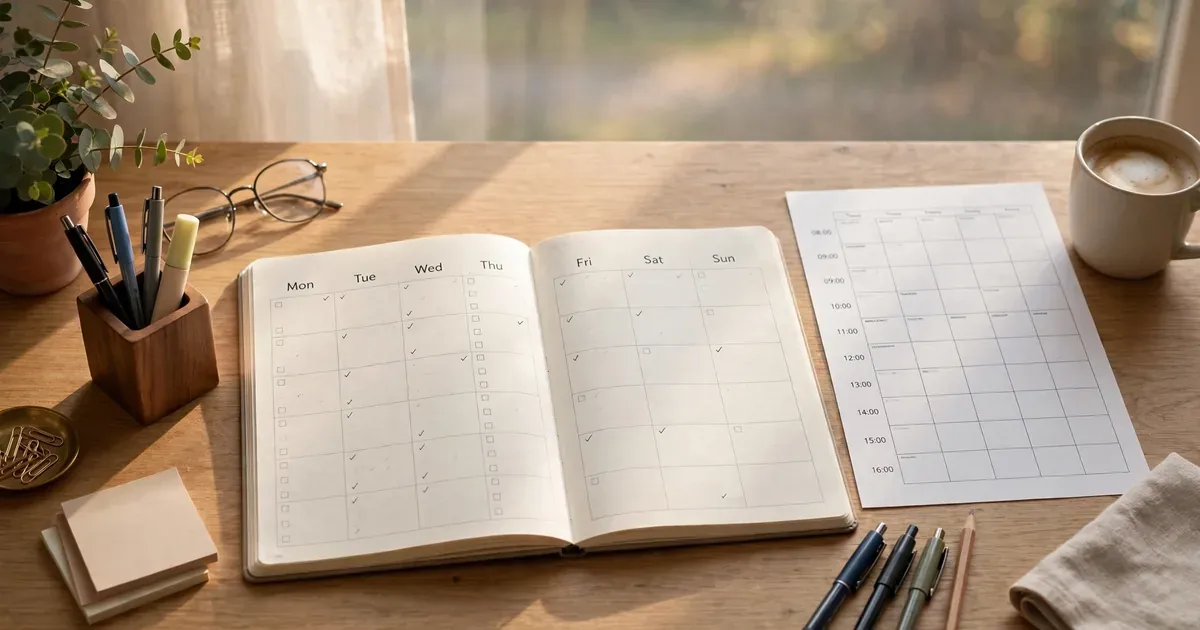
Time blocking sounds fancy. You are just deciding ahead of time what kind of work goes where. Night before works. That morning works too. Hard thinking goes in the morning. I do my best work before lunch, before the afternoon turns me into furniture on the couch. Admin stuff goes in the afternoon. The part that makes it work on an actual Tuesday is the timer inside the block. Use a real timer. Twenty five minutes, or fifty if you are already rolling. Timer running? Only the task exists. I put my phone in the kitchen when I can. At the very least face down and silent, somewhere your hand cannot just grab it. Timer rings, you stop. Even mid thought. Even mid brilliant thought. Stopping when the timer rings, even mid thought, feels bad at first. Then your brain figures out that focus always ends. Next round gets easier to start. Still hard, but not a wall. Not easy. Easier.
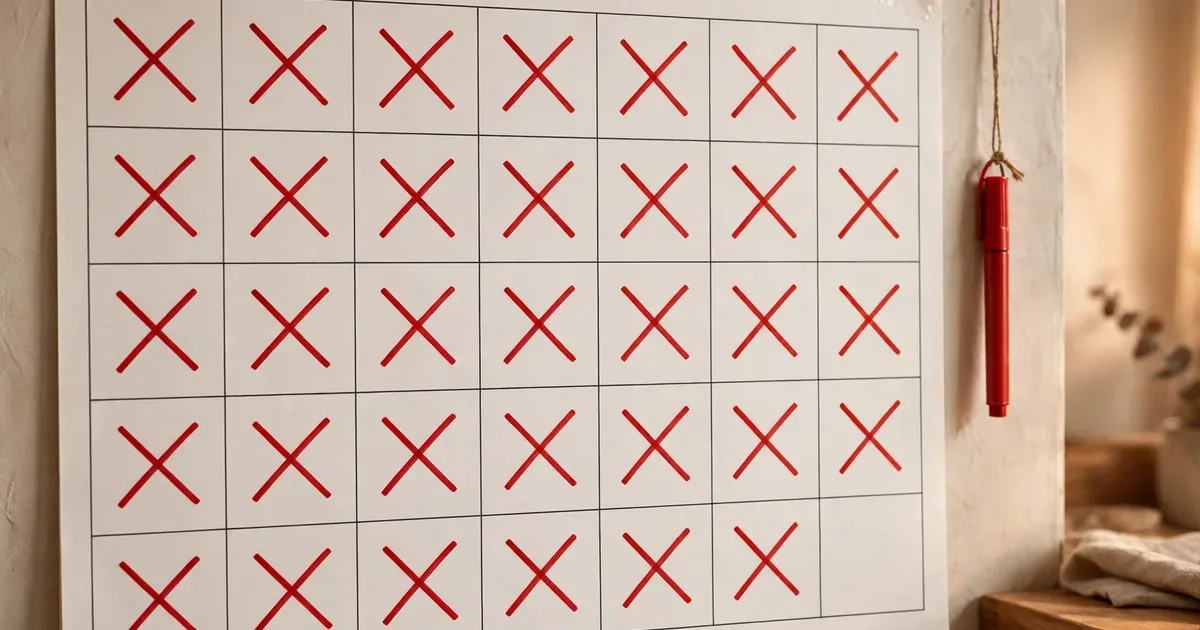
A little outside accountability helps here more than people admit. Remote work quietly removed the colleague who could glance at your screen. Replace that social pressure with something. Anything. Some people use a study with me video. Some use a focus app with streaks. That is exactly why we built Fluffy Friend around a virtual pet. Your companion reacts to your real sessions. Finish one and it celebrates. Drift off and it misses you. Small thing, hits weirdly hard. Sounds small, right? It is really not. A streak of 12 sessions is one you will do anything not to break. That is the colleague over your shoulder, minus the small talk.
Breaks that actually recharge
Here is the uncomfortable truth about home office breaks. Most of them are not breaks. Scrolling your phone on the couch? Not a break. That is work with worse lighting. A real break does one of two things: moves your body, or rests your eyes. That is it. The whole list. Stand up. Stretch. Get water. Step outside for five minutes, briefly. Balcony counts. Doorstep counts. The 25 on, 5 off thing stuck around for decades because it works. There is a reason. Your attention runs in cycles. Honor the cycle and your afternoon does not collapse at 3 pm. One more rule, and this one changed everything for us: no phone during breaks. Put the phone down, out of sight. Your brain needs the gap. Give it one.
End the day on purpose
The blurriest part of remote work is the ending. In an office, you just leave. The building ends the day for you. At home, with no door behind you, work dissolves into the evening. Next thing you know it is 9 pm, you are answering messages on the couch, tired but weirdly unaccomplished. So end the day on purpose. Pick a shutdown time. A real one. Write it down. Spend the last ten minutes writing down where things stand and what tomorrow's first block will be. Future you needs that note. Close the laptop. Actually close it, not the lid half shut while messages ping. Change rooms. Change your clothes if that is what it takes. The reverse of the morning routine works too. This ritual is the off switch your commute used to be. Tomorrow morning, that note is what turns twenty confused minutes into two. Two minutes to start instead of twenty.

Questions people actually ask us
How do I stay focused while working from home?
Willpower is a bad tool for this. Honestly, just stop trying to. You need a routine that still works on a bad morning. Willpower is gone before lunch, usually. A routine does not care if you feel like it. Start ritual. Three tasks on paper. Focus blocks before you check messages. Real breaks. A shutdown ritual to close the day. That is all of it. The routine does the deciding, and your brain only has to do the actual work.
How do I stay productive while working from home?
Use structure as the separator. One work spot. Hard thinking in the morning. Messages and meetings after lunch. And a stop time you actually honor, not a pretend one. Write down what you finished so the quiet work shows up somewhere. A full day of work can still feel empty if you have nothing to point at. That is the remote trap.
What is the 90 minute deep work method, exactly?
It is dead simple, honestly. You work in roughly 90 minute chunks, which is about one natural attention cycle, then you take a real break, 15 to 20 minutes, not five. Deep creative types swear by it. People who write or design for a living. That sort of work. Ninety minutes sounds impossible? Start with 25 minute Pomodoros. Build up from there. No shame in short blocks. Pick the length you will actually do again tomorrow. Not the one that sounds impressive.
Should I bother with Pomodoro while working from home?
Yes. It might matter more at home than anywhere else, honestly. The timer replaces the office structures you lost. It gives the block some urgency. A finish line. And it forces real breaks, which I definitely do not take on my own. Start with the plain classic version. Twenty five minutes on, five off. Do that for a week. Once that sticks, change the lengths around however you like.
How do I keep work and life separate when I work from home?
With rituals. Not geography. You need three things. A morning start ritual. One spot that is only for work, even if it is one end of the kitchen table. An evening shutdown ritual. Those three do most of the heavy lifting. Stop at the same time every day. After a while your brain gets it. Work is done. Evenings become yours again. Give it a few weeks though. It is slow.
Ready to give your workday some real structure? Grab Fluffy Friend free on Google Play Try one 25 minute deep work session today and see how it goes. Your pet cheers you on. The streak stacks up. Tomorrow morning is just a little easier than today was. Questions about the app? Reach out anytime through our contact page.