Best Study Techniques Backed by Science: 5 That Work
The best study techniques are not the ones most students actually use. Kind of maddening, honestly. Ask anyone in a lecture hall how they study. You will hear the same two answers. Rereading. Highlighting. Read the chapter twice. Then a third time. Turn half the page yellow. It feels like real studying. Your eyes went over every word. Then the exam asks you to explain one concept and the page goes blank inside your head.
I have lived that exact story. Second year chemistry. Read the chapter, highlighted every bold term, walked in feeling ready. Got the paper back and barely recognized half the questions. The problem was never effort. It was the method. Here is what actually holds up when you look at the research.
One thing first. If your real problem is starting at all, that is a different fix. We wrote a first week of focus guide for exactly that. This article is about the techniques themselves, for the hours you do sit down.
Why rereading and highlighting barely do anything
Rereading feels productive because you recognize it. You read a paragraph for the third time and it flows. Of course it flows. You have seen it twice already. But recognizing words is not the same as pulling them out of your head on demand, which is what an exam asks. That is the whole trick your brain plays on you.
Highlighting has the same issue. Plus one more. Most people run a marker through whole paragraphs, shut the book, and that yellow never gets looked at again. Dunlosky and his team, back in 2013, gave both rereading and highlighting a low utility score, careful use or not. They ranked the techniques by evidence. The two favorites sank to the bottom. Students still do them. Feels comfy. Comfy is not the same as good.
So what came out near the top of that review? Two things, mostly. Testing yourself, and spacing your practice out. Along with a couple of related ones.
Active recall: quiz yourself and learn faster
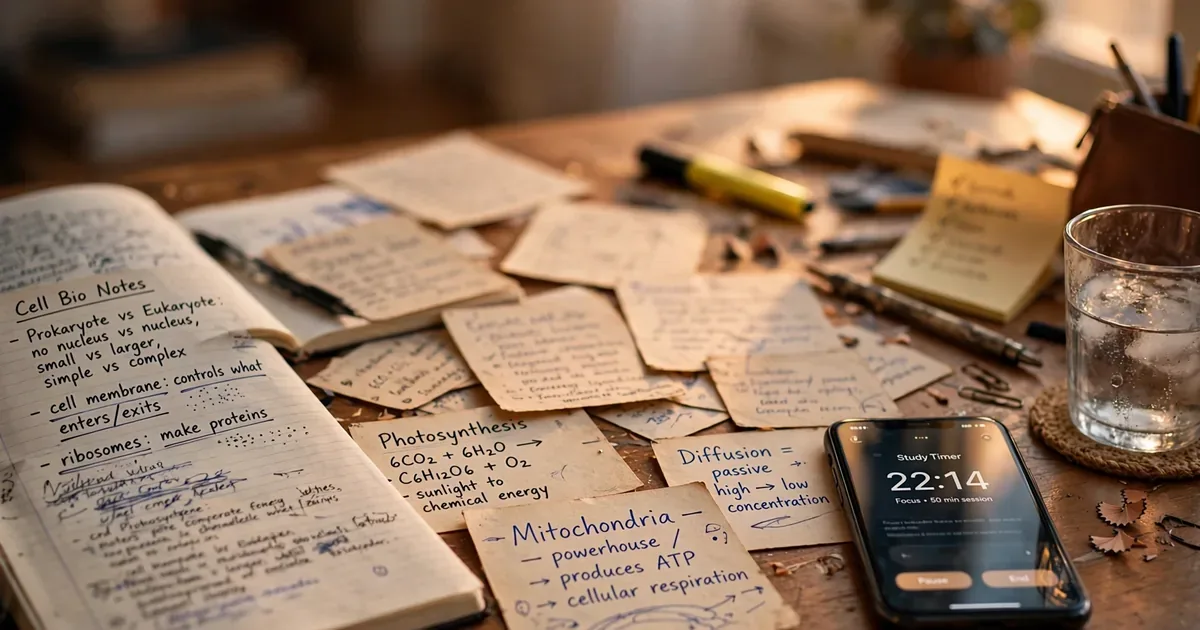
Active recall goes like this. Book shut. Now ask yourself what you just read. And that is basically it. The full technique. Read a little. Book shut. Call the main points back out from memory. No peeking allowed. Or scribble on a scrap of paper whatever is stuck in your head. Flashcards are that same game, say the answer out loud before you flip the card over. Past exam questions, done with notes shut.
It feels harder than rereading. And it is. Slower. Clumsier. Gappy. That shaky feeling is the whole thing working. Each time you drag an answer out of your memory, the memory holds better. Rereading never makes your brain do the hard part. So the hard part never gets any practice. I started doing blank page recalls for anatomy on the bus and it was embarrassing how little stuck the first week. Then it started sticking.
Run it in rounds. Read ten minutes, recall ten minutes. Spot what slipped out, then go through the whole round again. Do not skip the checking, it is honestly half the technique. If you skip it, recall starts cementing the wrong answers in. Short rounds. Fast feedback. That is the whole cycle, right there.
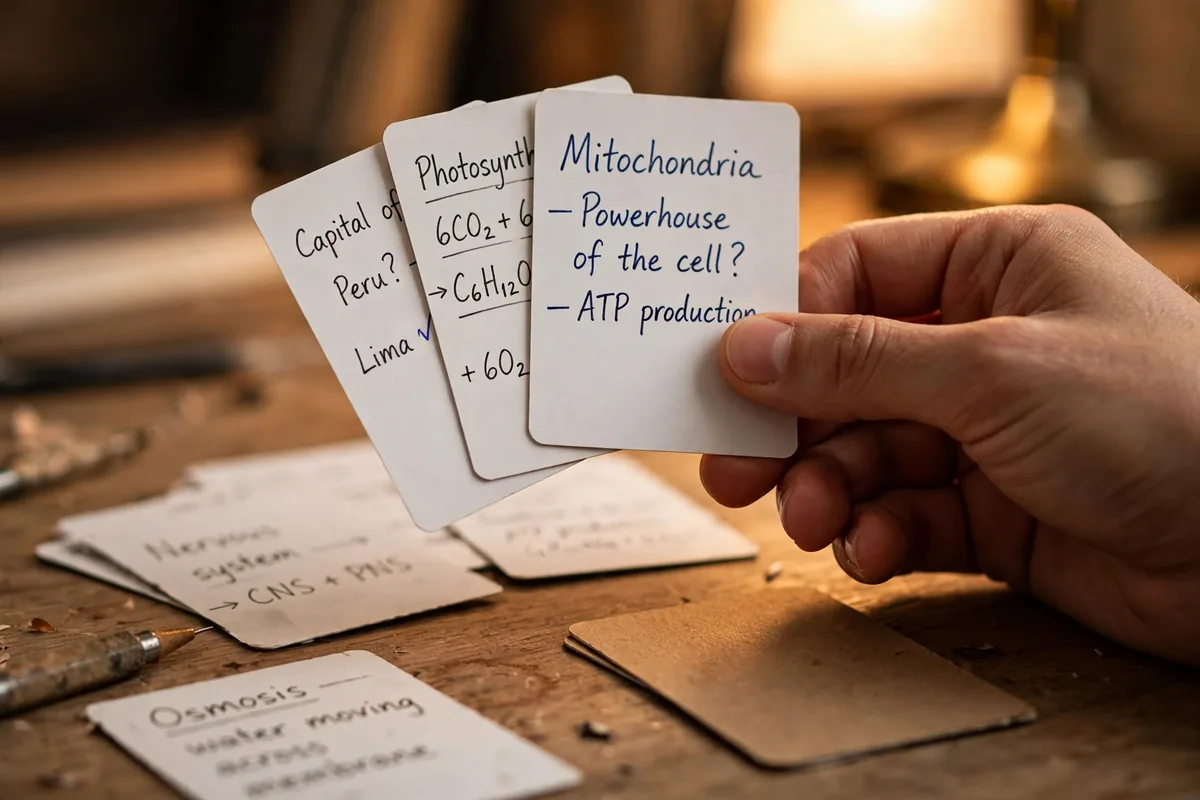
Spaced repetition: your way around the forgetting curve
Memory leaks. That is normal. It is not a you problem. Something you learned on Monday is half gone by the weekend if you never touch it again. The fix is not grinding harder on day one, it is coming back to the material with bigger and bigger gaps in between. Go over it tomorrow. Then three days later. Then next week. Each pass gets faster. Each round leaves less to rebuild.
And that is why cramming feels like such a win. Feeling, though. It is only the feeling. One long night-before session can shove facts into your head for the morning test. Check again two weeks on and there is almost nothing left in there. Spaced repetition is a long game thing. Feed your brain the same stuff over and over, and eventually it figures the stuff must be worth keeping around.
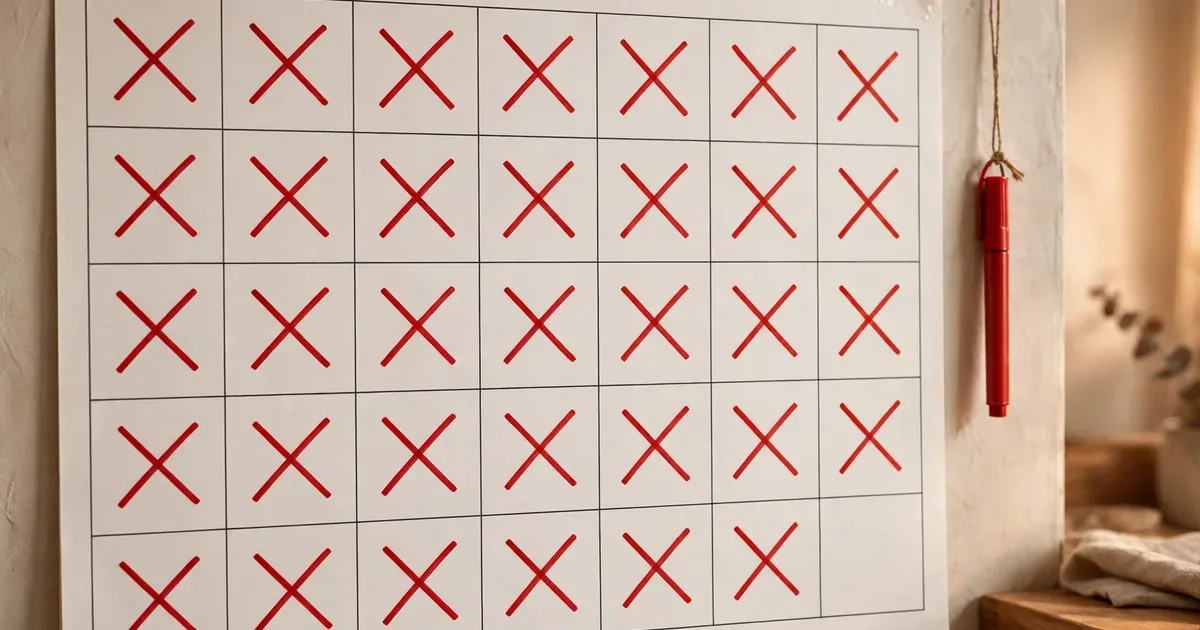
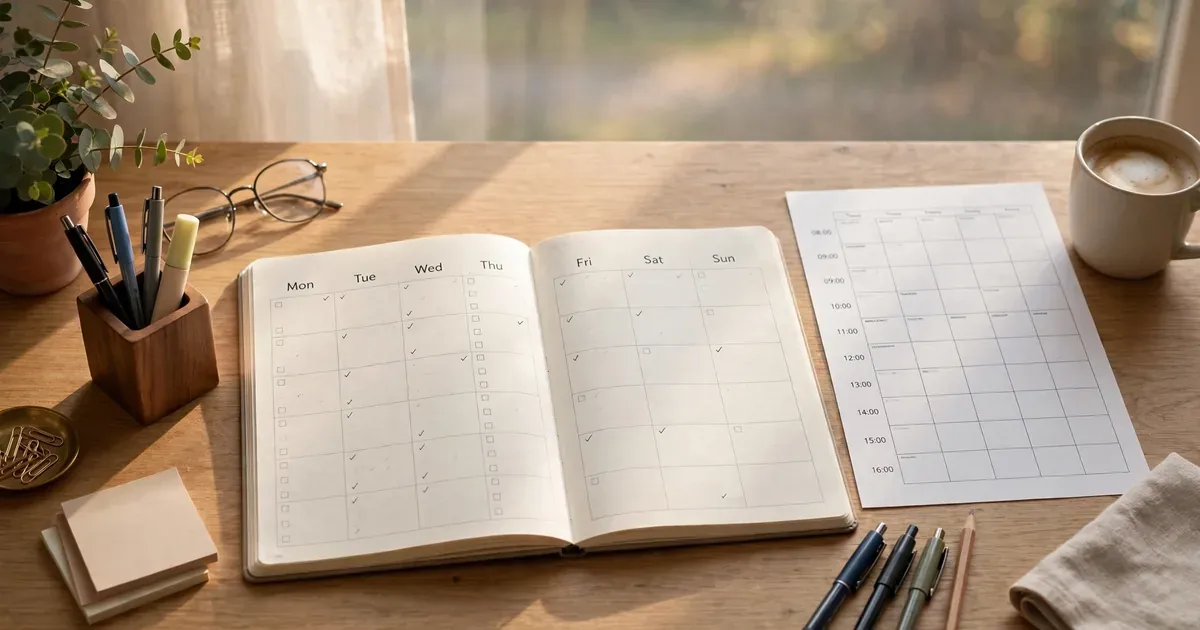
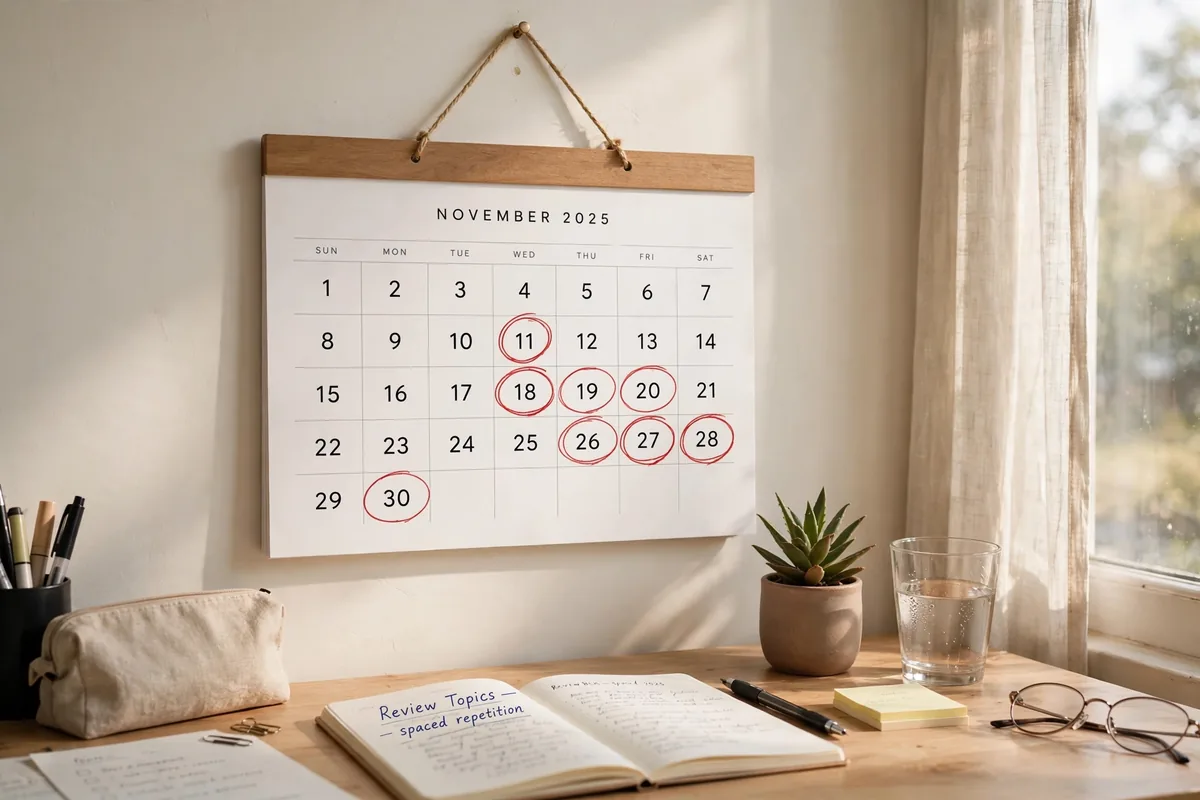
It is honestly not hard to do. When a topic is in your head, pick three dates to come back to it. Keep the reviews short, fifteen minutes each is plenty. Honestly, the hard part is remembering to do them in the first place. So put the dates where your eyes land. A wall calendar with the dates circled works. A session log does too, if that is your thing.
Feynman technique plus interleaving
It is named for Richard Feynman. A physicist, that one. It almost sounds like a joke, the idea being that simple. First you learn it, then you explain it the way you would talk to a twelve year old kid. Plain language only. Nothing fancy. Fancy terms are out, zero of them, and the second your explanation goes foggy or you catch yourself borrowing textbook phrases, that is your gap showing. Back you go. Fill that gap in. Then explain the whole thing through one more time.
Explaining feels like bonus work after studying. It is not bonus. It is the actual studying. When you have to dig for your own plain words to explain a concept, that is the moment the truth shows itself. Do you actually know it, or does it just look familiar. Now you can see what rereading is really handing you.
Interleaving wrecks the pattern. You stop pounding one topic for two hours straight and mix topics up inside the same session. Ten minutes on chapter four, then ten on seven, then back to four again. It feels messy. Way messy, and switching gears tires you out, it really does. But the switching trains you to tell similar concepts apart, which is exactly what exams test. Drilling one topic at a time until it feels smooth produces smooth practice and shaky exams. Mixing produces shaky practice and solid exams. You pick your shaky.
Putting it together: how to actually study effectively
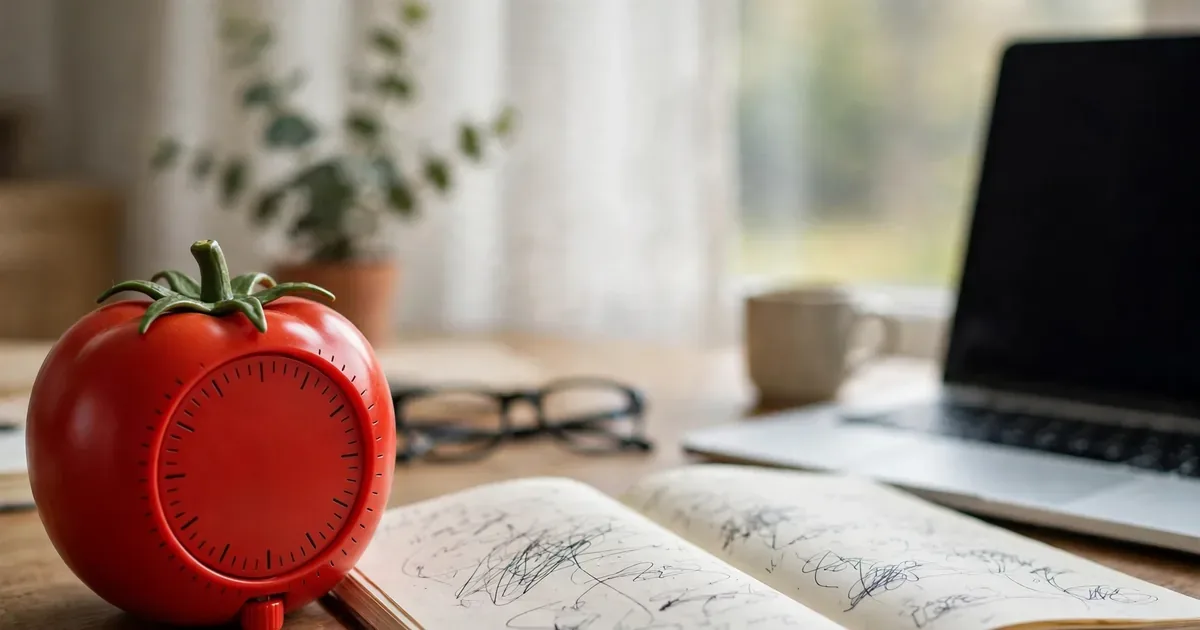
Here is a session that uses all of this at once. Start with one topic. Set aside twenty five minutes. The first ten minutes: read or review the material. Next ten, close everything and recall it, blank page or flashcards. Last five, check what you missed and note what needs a spaced review later. Then a real break. Then the next topic, which gives you interleaving for free.
This is the shape we built our study timer app around. The 25 minute Pomodoro block with smart breaks fits a recall round almost exactly. Study timer mode keeps the session structured. Session history shows which topics got their sessions, so spaced reviews stop being guesswork. Your pet celebrates every finished block, with coins and streaks stacking up. And every in-app purchase supports real animal shelters.
Day one does not need to be perfect for any of this. Take one technique and start there. Active recall is the highest leverage. Run it for a week. Add the spaced reviews in week two. The students who improve are not the ones with a perfect system. They are the ones whose system survives a real, ordinary Tuesday.
And once the techniques are working, they need somewhere to live. A plan. For the full schedule version, here is an exam plan that holds up, built week by week.
Questions students keep asking
What is the best way to study for exams, really?
Boring answer, honest one. Quiz yourself, early and a lot. Space the reviews apart. Begin before you feel ready. Everybody delays that part. One technique alone does not get you through a whole exam. Active recall and spaced repetition do the heavy lifting. After that, it is about showing up, and showing up is a planning problem more than a brains problem.
Which study technique is best for memorising?
Active recall wins by a mile, flashcards, blank page recall, past questions done from memory. Spaced repetition is second. A close second. It is the same idea pulled out over time. If you only change one study habit, let it be this. Quit rereading. Start pulling answers out instead.
How can I stop forgetting everything I study?
You do not, that is the short answer. You beat it to the punch instead, go over each topic three times, the next day, a few days after, the week after. Write the review dates down the same day you learn the topic. Short reviews beat long restudies every time.
Does highlighting help you study at all?
Barely. Dunlosky's 2013 review rated it low utility. Classrooms back that up. If you love highlighters, mark the bits that turn into flashcards later. Highlighting is the setup. Recall does the actual work.
How can I study without getting distracted?
Shrink the field. One topic, one block of twenty five minutes, phone face down somewhere you cannot see it. You only have to hang on until the timer goes off. That beats grinding all evening. Break after that. Then another round. Distraction wins when a session has no borders. Give it borders.
Want the structure that makes all of this automatic? Download Fluffy Friend free on Google Play, pick your pet, and run your first 25 minute recall block tonight. The techniques do the learning. The timer just makes sure they happen.